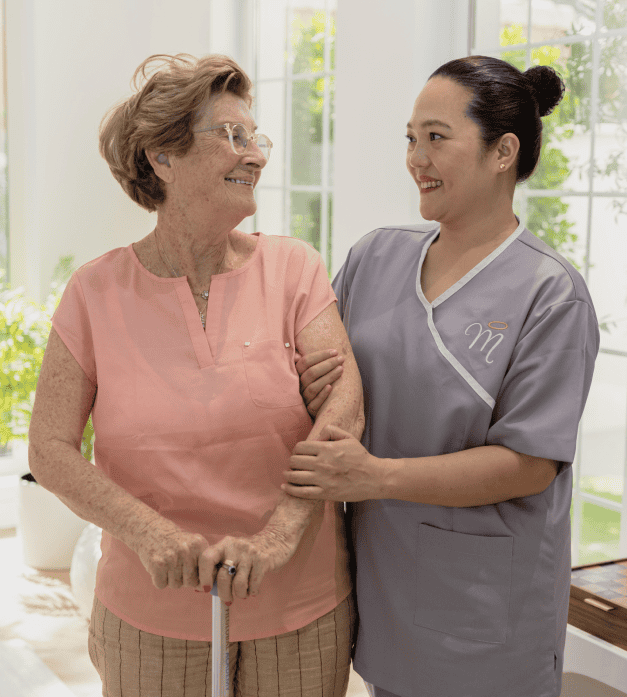
Becoming a caregiver for an elderly family member can feel overwhelming when everyday responsibilities suddenly include mobility, meals, medication schedules, personal care, and emotional support. First-time caregivers often have to learn these responsibilities while also adapting their home and routines to meet changing needs. A few practical adjustments can make daily care safer, more comfortable, and easier to manage.
These tips cover the essentials of elderly home care Dubai, helping first-time caregivers provide thoughtful support without losing sight of their own well-being.
Start with a comfortable daily routine
A consistent schedule helps older adults feel secure and relaxed throughout the day. Set regular times for waking up, meals, medication, exercise, and rest. Include familiar activities such as reading, gardening, or listening to favourite music. Ask the senior about personal preferences before making changes. A flexible routine supports independence while giving caregivers a clearer picture of daily responsibilities.
Make the home safer
Falls and household accidents pose serious risks to older adults, especially those with limited mobility or poor eyesight. Keep walkways clear, secure loose rugs, install grab bars in bathrooms, and add night lights near bedrooms and stairs. Place frequently used items within easy reach. Check smoke alarms and keep emergency contact details visible. Simple safety improvements help seniors move around with greater confidence.
Learn about medication and health needs
First time caregivers should maintain an updated list of medicines, dosages, allergies, and medical appointments. Follow the doctor’s instructions and use a medication organiser when appropriate. Never change a dose or stop a prescribed medicine without medical advice. Watch for unusual symptoms, changes in appetite, dizziness, or confusion, and report concerns to a healthcare professional.
Encourage independence and social contact
Older adults deserve respect, privacy, and opportunities to make their own choices. Allow seniors to dress, eat, and complete personal tasks independently when they can do so safely. Offer help without rushing or taking over every activity. Regular conversations, family visits, hobbies, and community gatherings support emotional wellbeing. Meaningful social contact also helps reduce loneliness and gives seniors enjoyable moments to anticipate.
Look after your own wellbeing
Caregiving takes time, patience, and emotional energy, so personal wellbeing deserves equal attention. Take regular breaks, maintain healthy sleep habits, and ask relatives to share suitable tasks. Local support groups and professional home care services may provide additional assistance. Speak openly about stress before exhaustion builds. A rested caregiver usually responds with greater patience and manages daily challenges more effectively.